Creating a Therapeutic Garden: A Therapist's Framework
How to design outdoor and indoor spaces that support mental health recovery and ongoing wellness.

Alex Rivera, PsyD
Clinical Psychologist
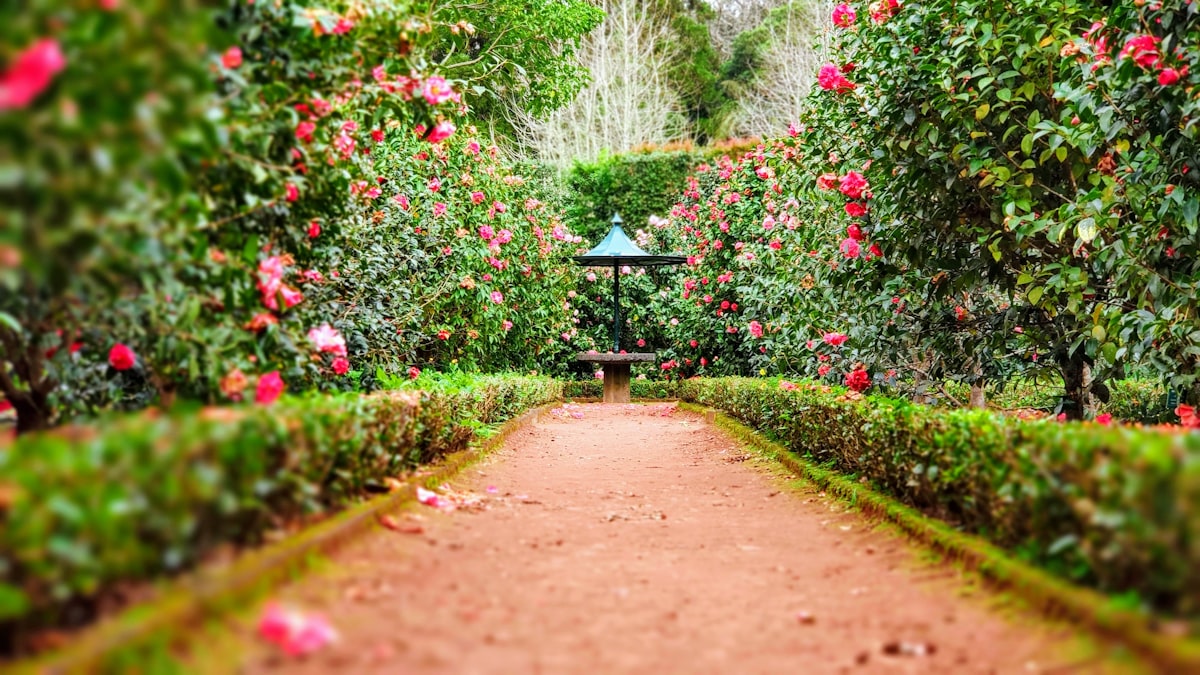
For over fifteen years, I've incorporated horticultural therapy into my clinical practice. What began as an intuitive complement to traditional talk therapy has evolved into a systematic framework for creating gardens - both outdoor and indoor - that actively support mental health. This article shares that framework, distilled from clinical experience and research evidence.
The THRIVE Framework
I use the acronym THRIVE to organize therapeutic garden design:
- T - Transitions (clear boundaries between everyday space and garden space)
- H - Haven (sense of safety and enclosure)
- R - Rhythm (seasonal change and cyclical patterns)
- I - Interaction (opportunities for active engagement)
- V - Variety (sensory richness and biodiversity)
- E - Expansion (connection to larger natural world)
Transitions: The Threshold Effect
The psychological benefits of gardens begin not in the garden itself, but at the threshold. Research on "place identity" shows that clear transitions between spaces help our minds shift states. When entering a therapeutic garden, we want to signal to the nervous system that we're leaving one mode of being and entering another.
In outdoor gardens, this might be achieved through:
- An archway or gate (even a simple trellis creates psychological boundary)
- A change in ground material (stepping from pavement onto gravel or grass)
- A narrow passage that opens into a larger space
- A ritual action like removing shoes or touching a specific plant
For indoor plant spaces, create transition through:
- A dedicated corner with clear visual boundaries
- A change in lighting (warmer, softer light in the plant area)
- A specific chair or cushion used only for plant time
- A consistent ritual (lighting a candle, playing specific music)
Haven: The Safety Imperative
Healing cannot occur without safety. Our nervous systems are constantly scanning for threats, and true relaxation requires environments that signal protection. In therapeutic gardens, this translates to:
- Enclosure: Hedges, walls, or tall plants that create defined boundaries
- Refuge: Seating that allows your back to be protected (against a wall, tree, or dense plantings)
- Prospect: Clear sightlines to any entry points so you can see who's approaching
- Control: The ability to leave at any time (avoid creating spaces that feel like traps)
For clients with trauma histories, these elements are especially crucial. I often start indoor plant therapy in corners of rooms, gradually moving to more open areas as safety is established.
"A therapeutic garden doesn't need to be large. A corner with two plants and a comfortable chair can provide everything needed for healing to begin."Click to tweet
Rhythm: Connecting to Time
Many mental health conditions involve a distorted relationship with time. Depression often brings a sense that nothing will ever change; anxiety projects constantly into an uncertain future. Gardens anchor us to natural rhythms that counter these distortions.
Design for rhythm by including:
- Seasonal markers: Plants that bloom at specific times, deciduous trees that mark seasons
- Growth visibility: Fast-growing plants that show visible daily/weekly change
- Completion cycles: Annual plants that go from seed to flower to seed in one season
- Renewal reminders: Perennials that "die" and return, demonstrating resilience
Indoors, I recommend clients keep at least one plant they started from seed or propagation, and one that flowers seasonally. The combination provides both rapid feedback (growth) and longer cycles (flowering).
Interaction: The Healing is in the Doing
Passive exposure to gardens provides benefit, but active engagement multiplies it. Therapeutic gardens should invite participation at multiple levels of intensity:
- Observation: Comfortable seating for watching plants, insects, birds
- Light touch: Plants positioned for casual touching while passing
- Maintenance tasks: Easy-access planters for weeding, deadheading, watering
- Creation: Space and supplies for planting, propagating, arranging
Match interaction level to therapeutic goals. Clients with depression often benefit from maintenance tasks - the structure and visible results combat feelings of helplessness. Anxiety often responds better to observation and light touch - slower paced, less demanding of executive function.
Variety: Sensory Richness
Gardens are multi-sensory environments. This is part of their power - they engage us fully in a way screens and indoor environments rarely do. Design for all senses:
- Vision: Varying colors, textures, heights, and forms. Include both stimulating variety and restful green spaces.
- Touch: Different leaf textures (smooth, fuzzy, waxy, soft). Include lamb's ear, sage, or ornamental grasses.
- Smell: Fragrant plants at different heights - some at nose level, some releasing scent when touched or crushed.
- Sound: Plants that rustle in wind, water features, plants that attract birds or pollinators.
- Taste: Edible herbs or small fruiting plants (mint, strawberries, cherry tomatoes).
Sensory engagement pulls attention into the present moment - a key goal for both anxiety and depression treatment.
Expansion: Connecting to Something Larger
Therapeutic gardens should connect us to the larger natural world, countering the isolation that often accompanies mental health challenges:
- Ecosystem awareness: Plants that attract pollinators, birds, or beneficial insects make visible our connection to larger systems
- Sky access: Views of sky help us feel part of a larger world (even in indoor spaces, position plants near windows with sky views)
- Natural materials: Stone, wood, and water connect to elemental aspects of nature
- Indigenous plants: Local native plants tie us to place and regional ecology
Implementation: Start Small
If you're creating a therapeutic space for yourself or clients, resist the urge to implement everything at once. The most effective approach:
- Start with one comfortable seat and one plant in your sightline
- Add a clear transition marker (as simple as a specific cushion or mat)
- Establish a consistent time for being in the space
- Gradually add sensory variety - one new element at a time
- Build interaction opportunities as comfort grows
The goal is not an impressive garden. The goal is a space that genuinely supports healing. That can begin with a single plant and a willingness to pay attention.
References
- Cooper Marcus, C., & Sachs, N. A. (2014). Therapeutic Landscapes: An Evidence-Based Approach to Designing Healing Gardens and Restorative Outdoor Spaces. Wiley.
- Appleton, J. (1975). The Experience of Landscape. Wiley. (Prospect-refuge theory)
- Kaplan, S. (1995). The restorative benefits of nature: Toward an integrative framework. Journal of Environmental Psychology, 15(3), 169-182.
- Stigsdotter, U. A., & Grahn, P. (2002). What makes a garden a healing garden? Journal of Therapeutic Horticulture, 13, 60-69.
- Selhub, E. M., & Logan, A. C. (2012). Your Brain on Nature. HarperCollins.
- Relf, D. (1992). The role of horticulture in human well-being and social development. Timber Press.
- American Horticultural Therapy Association. (2020). Definitions and Positions Statement.
Share this article